
 By career market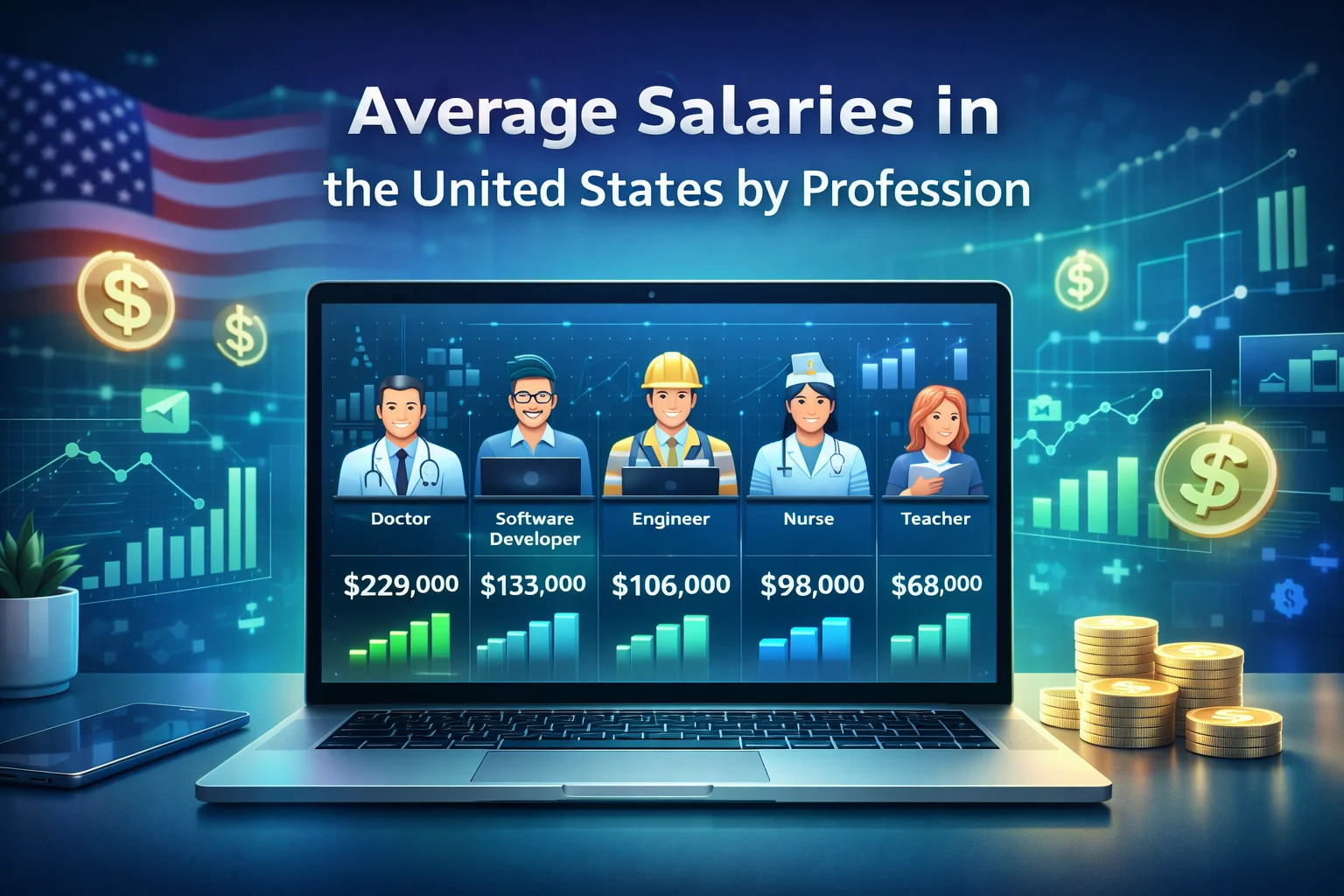
Introduction: The Importance of Salary Insights
Understanding average salaries across various professions in the United States plays a crucial role in shaping the career landscape for both job seekers and employers. Salary data serves as a vital resource that impacts significant decisions, such as career choices, salary negotiations, and employee retention strategies. With a vast array of information available, professionals are better equipped to evaluate their earning potential and make informed decisions based on market realities.
For job seekers, having access to accurate salary information can guide them in choosing a career path or deciding to pursue additional education or training that may lead to better-paying opportunities. Additionally, understanding average salaries allows individuals to negotiate compensation packages more effectively. Knowledge of industry standards empowers job candidates to advocate for fair payment in line with their expertise and experience.
Employers also benefit significantly from salary insights. By conducting thorough analyses of average salaries within their industries, companies can craft competitive salary offers that attract top talent while preventing overpayments. This data analysis enhances their ability to retain skilled professionals amidst the ongoing challenges of talent acquisition in competitive job markets.
To ensure the accuracy and reliability of the salary insights, various prominent sources will be referenced throughout this analysis, including the Bureau of Labor Statistics (BLS), Glassdoor, and PayScale. These institutions provide comprehensive data on salary trends across different sectors, ensuring that stakeholders have access to the most up-to-date and relevant information.
In this blog post, we will explore high-demand sectors such as technology, healthcare, finance, engineering, and skilled trades, offering a detailed look at average salary figures and the factors influencing these values. By examining these sectors, we aim to provide a clearer understanding of salary dynamics across the United States.
Average Salary Overview by Profession
Understanding average salaries across various professions is essential for both job seekers and employers in the United States. This section provides a detailed analysis of current salary trends across several high-demand sectors. In recent years, significant fluctuations have been observed in salary ranges influenced by factors such as education level, years of experience, and geographical location.
For entry-level positions, the average salary can differ dramatically depending on the field chosen. For instance, entry-level roles in technology often start at around $60,000, while those in education may begin at approximately $40,000. As one gains experience, these figures rise significantly to reflect increased responsibilities and expertise. Experienced professionals, particularly in fields like healthcare and engineering, can command salaries exceeding $100,000, showcasing the financial benefits of advanced education and prolonged work experience.
Salary variations are also noteworthy based on the state or metropolitan area of employment. In major urban centers such as San Francisco or New York, salaries typically trend higher due to the cost of living, while rural areas may offer lower compensation packages. Furthermore, it is pertinent to discuss additional benefits that may enhance overall compensation, such as healthcare, retirement plans, and bonuses. These factors not only contribute to a more accurate representation of an employee’s earnings but also underscore the importance of considering total compensation when assessing job offers.
Tables and charts illustrating the average salaries by profession serve as valuable tools for visual comparison. They highlight differences within and between sectors, empowering individuals to make informed career decisions based on potential earnings. In summary, average salaries in the United States present a multifaceted picture that reflects various influences, from industry trends to personal qualifications.
Regional Salary Differences: State and City Comparisons
In the United States, salaries can vary significantly based on location, reflecting a complex interplay of various economic factors. These regional differences in average salaries can be attributed to the cost of living, job market dynamics, and the presence of certain industries. For instance, states with a high cost of living, such as California and New York, often offer higher salaries to compensate for the increased expenses associated with housing, food, and transportation.
According to recent data, cities like San Francisco and New York City frequently rank among the highest in terms of average salaries. However, they also possess some of the highest living costs in the country. Frameworks like the Economic Policy Institute’s Family Budget Calculator reveal that while salaries are elevated in these urban centers, so too are the expenses, leading to a modest increase in real purchasing power.
On the other hand, regions such as the Midwest and the South often document lower average salaries. States like Ohio and Kentucky provide affordable living options, which can result in a better quality of life despite lower income levels. The job market in these areas may also be focused on manufacturing and agriculture, which tend to offer different salary scales compared to tech-driven sectors prevalent in coastal cities.
Furthermore, the presence of specific industries in a particular location greatly influences salary potential. For instance, cities with a strong technology sector, such as Austin or Seattle, are known to offer lucrative salaries for tech-related professions due to high demand and competition for skilled workers. Conversely, rural areas may offer fewer job prospects and, consequently, lower average salaries.
In summary, understanding regional salary differences requires careful consideration of local economic conditions, industry presence, and cost of living adjustments. By analyzing these elements, individuals can better navigate their career choices based on location-specific earning potential.
Factors Affecting Salaries and Future Demand Trends
In understanding the average salaries across various professions in the United States, it is pivotal to recognize the multifaceted factors that influence these earnings. One significant determinant is the demand within specific industries. As noted in recent studies, sectors such as technology, healthcare, and renewable energy are experiencing rapid growth, leading to increased competition for qualified professionals. This heightened demand often results in elevated salary offers as companies attempt to attract and retain top talent.
Moreover, educational qualifications play a crucial role in shaping salary levels. Generally, individuals with higher educational attainment, such as advanced degrees or specialized certifications, tend to command better compensation. For instance, professions in medical fields or engineering typically require extensive training and education, which correlates with higher salary ranges. Additionally, certifications in specific skill areas—such as Project Management Professional (PMP) or Certified Information Systems Security Professional (CISSP)—can substantially enhance an individual’s marketability and earning potential.
Experience, often deemed one of the most reliable indicators of salary, also significantly impacts earning potential. Professionals who have been in their fields for several years often see incremental salary increases due to their accumulated knowledge and skills. As the job market evolves, continuous professional development becomes essential to maintain competitiveness and relevance in one’s field. The shift towards remote work and the rise of gig economy jobs also influence salary dynamics, with more professionals seeking flexible work arrangements that may also affect their earnings.
Emerging trends indicate a shift in workforce demands where adaptability and technological proficiency are vital. Reports forecast that future salary trajectories in high-demand sectors will continue to rise as industries adapt to technological advancements and changing consumer needs. Therefore, it is imperative for current and aspiring professionals to stay informed and proactive about acquiring necessary skills and certifications to navigate these evolving salary landscapes effectively.